Ceiling Mounted Workstation Bridge Crane
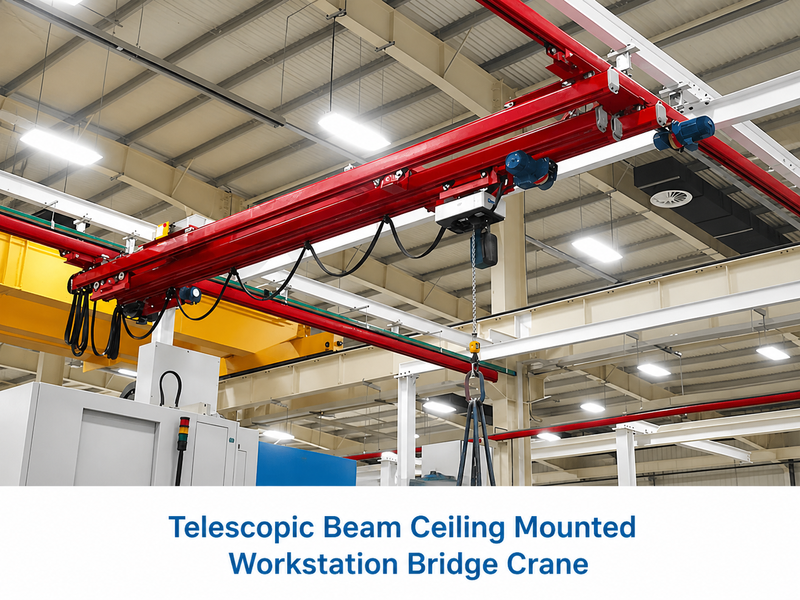
A suitable choice where building structure can support the system and floor space needs to remain open for equipment or traffic.
Learn MoreKuangshan supplies workstation crane systems for assembly stations, machine cells, warehouses, packaging areas and light-duty production zones where loads need to move frequently, smoothly and with better operator control.
Send the basic project information below and we'll help you sort out a suitable workstation crane layout:
Compare workstation crane types based on support method, travel path, floor space, operator handling pattern and the physical limits of the building structure.
A suitable choice where building structure can support the system and floor space needs to remain open for equipment or traffic.
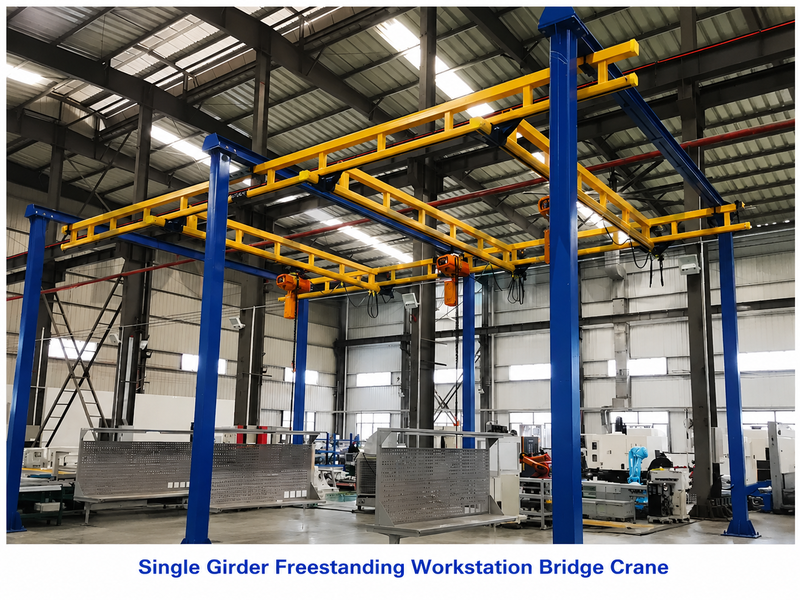
A practical solution where local lifting coverage is needed but the building structure is not the preferred support point.
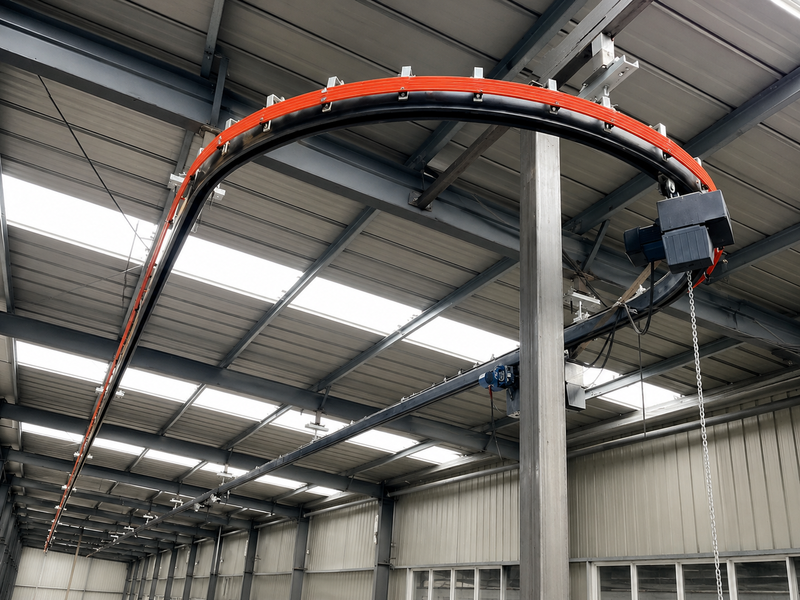
Well suited to production flow that follows a set line, especially where loads move repeatedly between fixed pick-up and set-down points.
If you're still comparing options, send us your load data, work area dimensions, ceiling conditions and the way materials move through the station. We'll help you narrow down the more practical structure.
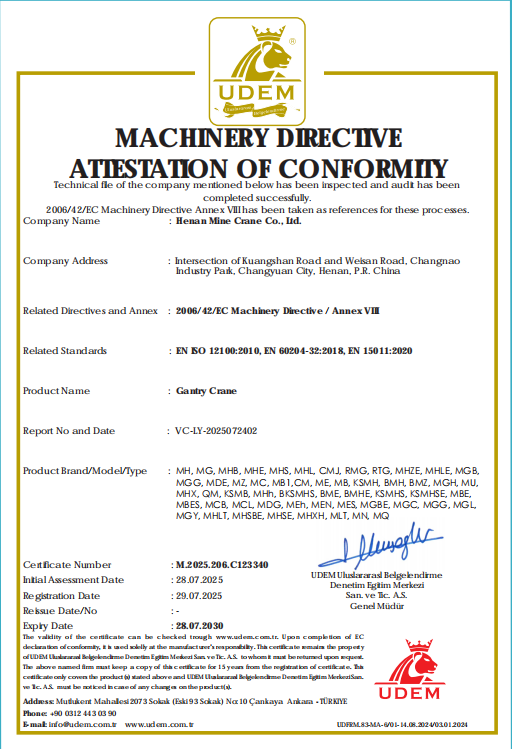
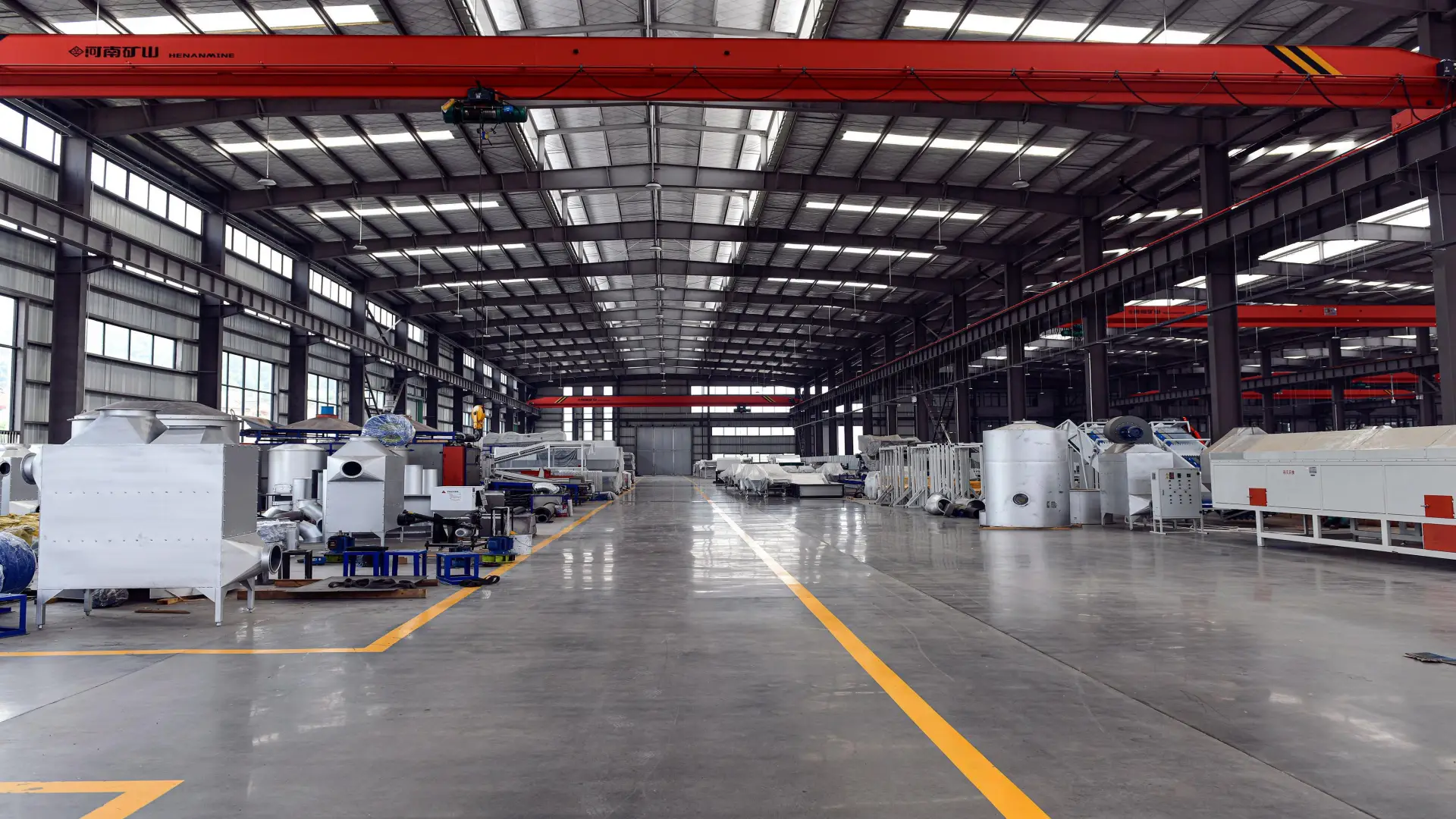
Kuangshan manufactures workstation crane systems with attention to structural quality, smooth handling performance and export documentation requirements. For lighter industrial systems, layout accuracy matters as much as lifting capacity.
Workstation cranes are used where lifting is frequent, localized and closely tied to a defined work area, rather than spread across a full workshop bay.
For repeated lifting of parts, tools and subassemblies within a confined production workstation.
For loading and unloading parts at CNC equipment, presses and other processing stations.
For handling finished goods, packing units and support materials in controlled work zones.
For local handling near shelving, dispatch points and repetitive transfer stations.
For point-to-point movement where monorail or guided local lifting supports the production flow.
For routine lifting of motors, fixtures and equipment parts during service and repair work.
Workstation crane projects are usually less about maximum tonnage and more about getting the coverage, support method and movement pattern right. Working directly with the manufacturer helps keep those details clear.
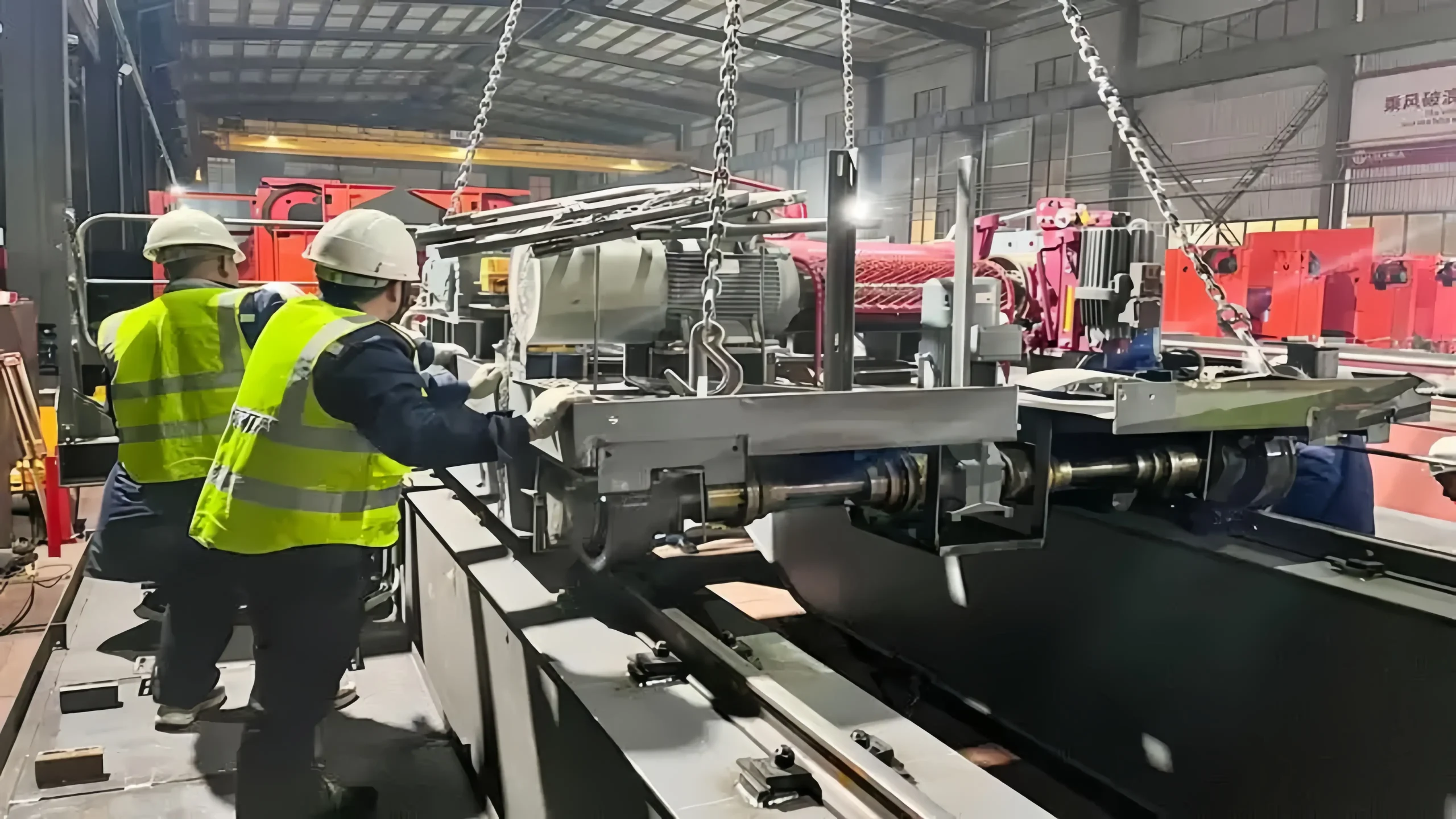
Kuangshan supports workstation crane selection, drawing review, fabrication and project coordination for assembly support, local lifting and process-line handling applications.
Matched to span, runway length, support conditions and the way the station is actually used.
Ceiling-mounted, freestanding and monorail structures for different building and workflow conditions.
Well suited to repetitive lifting inside defined work areas where smooth manual control matters.
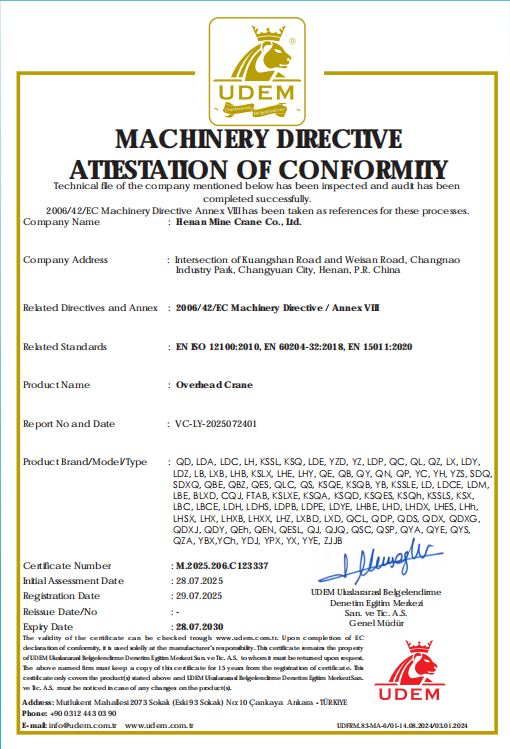
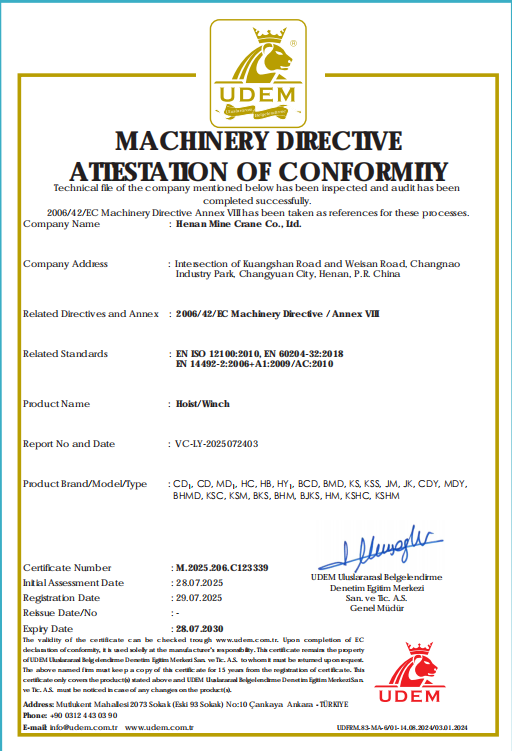
Documentation support helps reduce procurement and technical review concerns for export buyers.
Support for quotation, layout communication and matching the system to the installation environment.
Ready to move forward? Send us your work area dimensions, lifting load and support conditions. We'll help you sort out a workstation crane arrangement that fits the layout without overbuilding the system.
Your information will only be used for workstation crane solution communication.
These examples reflect typical workstation crane use in assembly support, localized material handling and point-to-point production transfer.
Ceiling mounted workstation bridge crane used where floor space had to stay clear for equipment and operators.
Freestanding workstation bridge crane selected where localized coverage was needed without depending on roof support.
Monorail overhead crane arranged for repetitive movement between fixed stations along a set production route.
Workstation bridge crane used for repeated part lifting in a defined assembly area with controlled local travel.
A workstation crane is a lighter-duty localized lifting system designed to serve a defined work area, such as an assembly station, machine cell or short transfer zone.
A ceiling mounted system uses the building structure for support and helps keep the floor clear. A freestanding system supports itself and is often chosen where building support is limited or the layout needs more independence.
A monorail system is usually more suitable when the load mainly follows one travel path between fixed points rather than needing full rectangular bridge coverage.
Yes. The system can be matched to span, runway length, capacity, support conditions, hoist type and the physical limits of the work area.
It helps to send the load capacity, span, lifting height, support conditions, work area layout and any drawings or site photos you already have.
Send us your lifting requirements, support conditions and layout details. We'll help you work out a suitable workstation crane arrangement.