Compressed Air

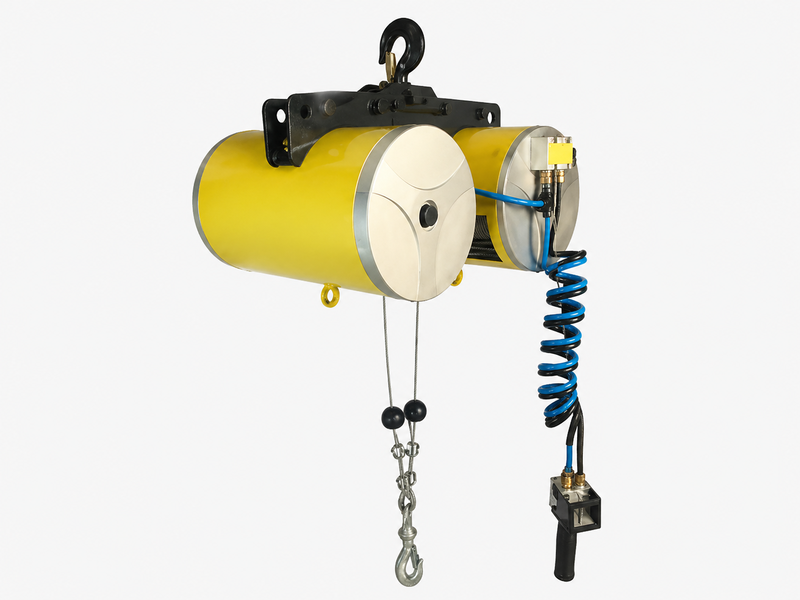
Air Pneumatic Hoist
A sensible option where compressed air is preferred and electrical sparking or heat buildup must be minimized.
Learn More about Air Pneumatic Hoist
Kuangshan supplies electric hoists for overhead cranes, gantry cranes, monorail systems and standalone lifting points, covering standard workshop duty, low headroom layouts, metallurgical service and special environments.
Share the working details below and we'll help you narrow down the right electric hoist:
Compare electric hoist types based on lifting capacity, headroom, duty cycle, installation structure, working environment and control requirements.
A sensible option where compressed air is preferred and electrical sparking or heat buildup must be minimized.
Learn More about Air Pneumatic Hoist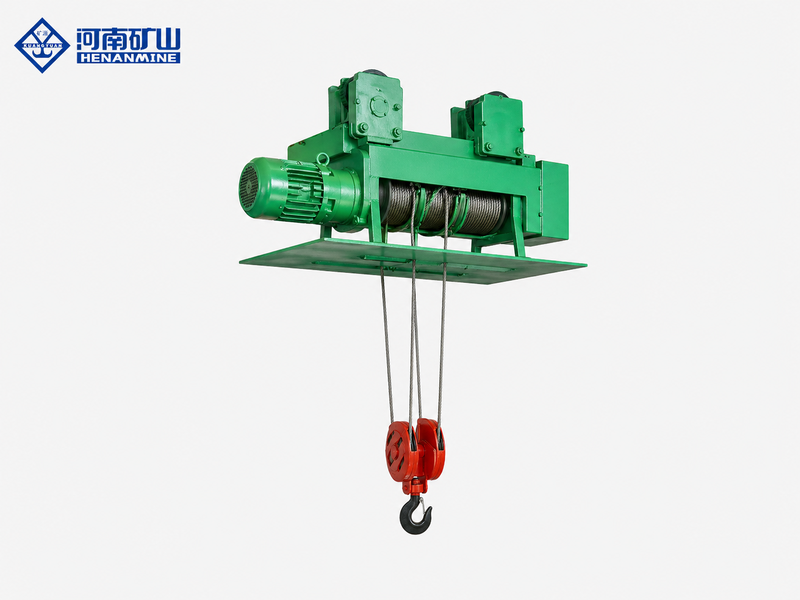
Built for hotter, tougher service where thermal protection and a more cautious lifting arrangement are needed.
Learn More about Casting Electric Wire Rope Hoist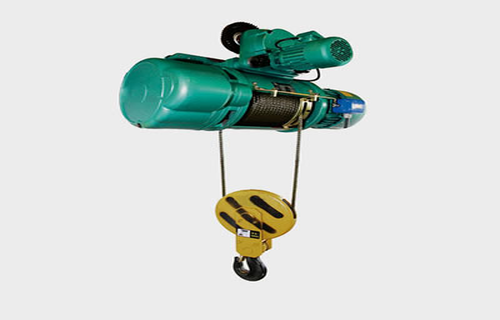
A standard workshop hoist widely used for general lifting where dependable operation and easy maintenance matter.
Learn More about CD/MD Wire Rope Electric Hoist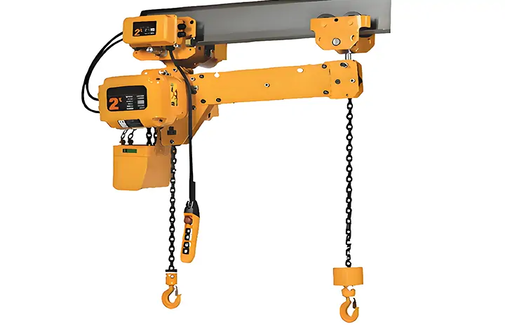
A compact hoist for lighter to medium-duty lifting where clean installation and straightforward handling are preferred.
Learn More about Electric Chain Hoist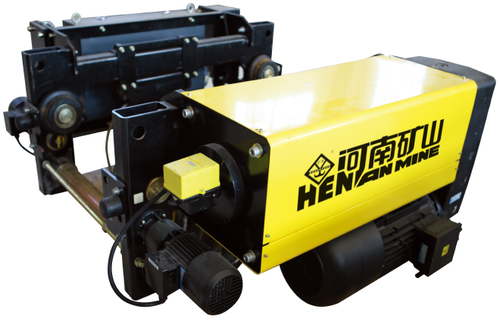
A more compact hoist arrangement for modern crane systems where lower headroom and smoother operation are priorities.
Learn More about European Electric Hoist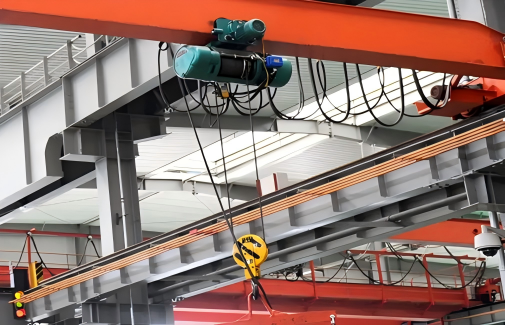
Specified for locations where electrical safety requirements rule out the use of standard hoist configurations.
Learn More about HB Model Explosion Proof Wire Rope Electric Hoist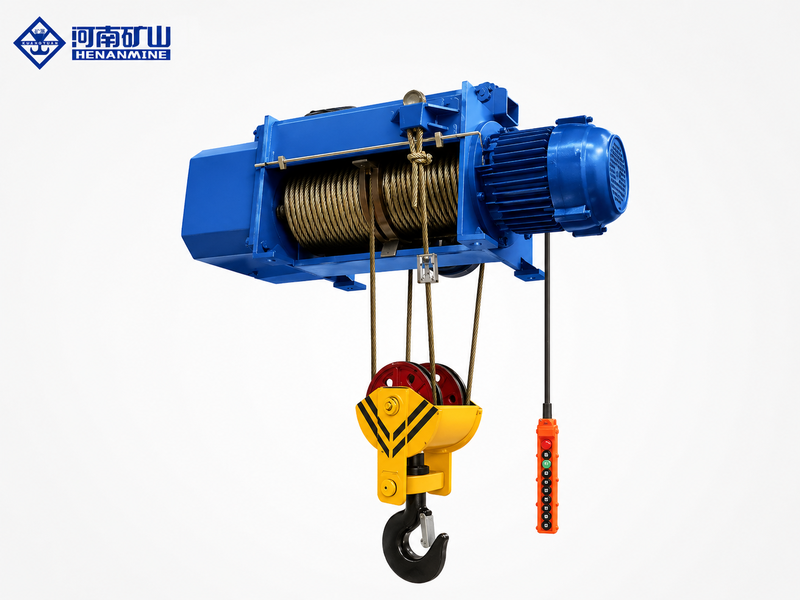
A heavy-duty wire rope hoist for larger capacities and more demanding service than standard workshop models.
Learn More about HC Type Electric Hoist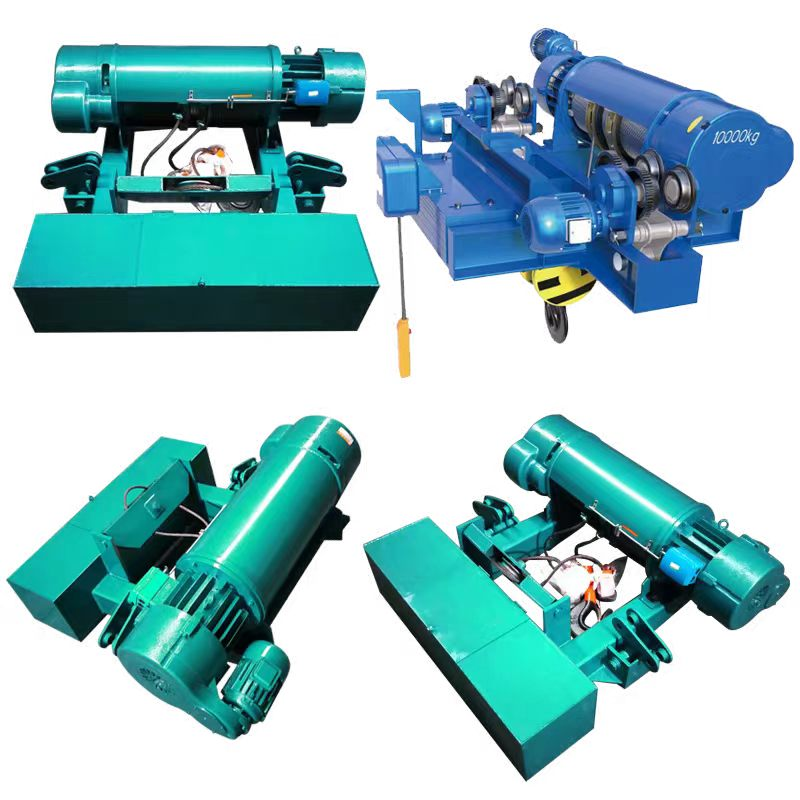
A practical choice where building height is limited and every bit of hook travel needs to be used efficiently.
Learn More about Low Headroom Electric Hoist
Used where simple operation, low infrastructure demand and occasional lifting are more practical than powered equipment.
Learn More about Manual Chain HoistsIf you're still comparing options, send us your rated load, lifting height, duty level, installation structure and working environment. We'll help you sort out which hoist type is actually suitable.
Kuangshan manufactures electric hoists to meet international quality and safety requirements. From mechanical components to electrical integration, the focus stays on consistent quality, safe operation and export-ready documentation.
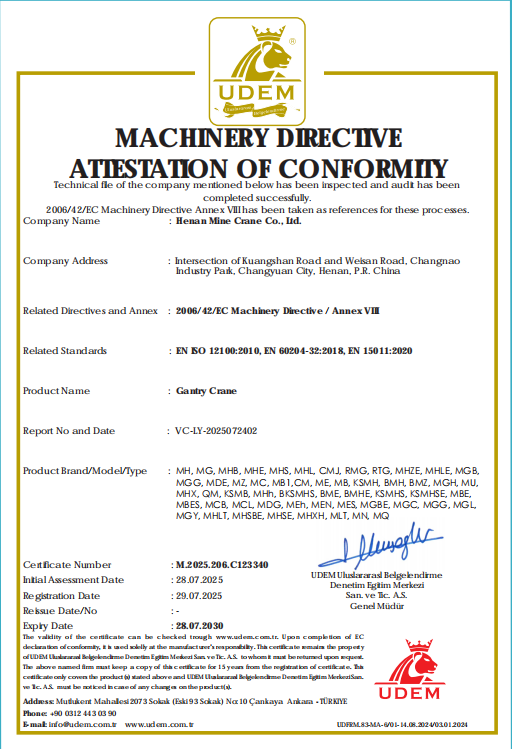
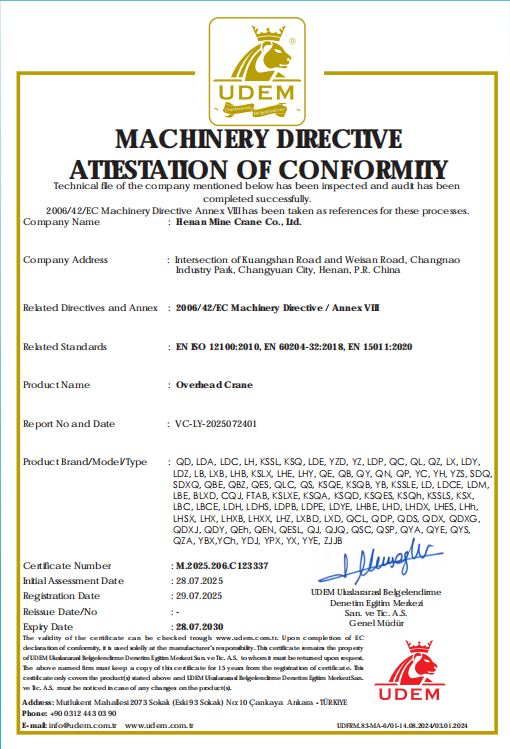
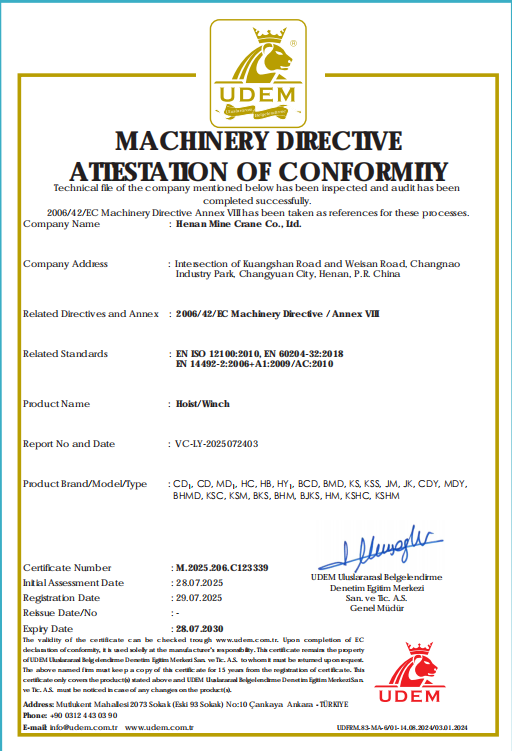
Electric hoists are used wherever loads need to be lifted repeatedly and safely, either as part of a crane system or as a local lifting unit in production and maintenance areas.
For single girder and double girder crane systems in workshops, warehouses and industrial plants.
For outdoor and semi-outdoor lifting where the hoist is integrated into a gantry structure.
For straight-line transfer, local handling and workstations where full bridge coverage is unnecessary.
For compact lifting points serving a machine, workbench, assembly cell or loading station.
For foundries, steel plants and heavier-duty environments requiring specialized hoist configurations.
For equipment service, part replacement and routine handling where controlled lifting is needed.
Electric hoist selection is often tied to the crane structure, duty level and available headroom. Working directly with the manufacturer makes it easier to match the hoist to the actual lifting system.
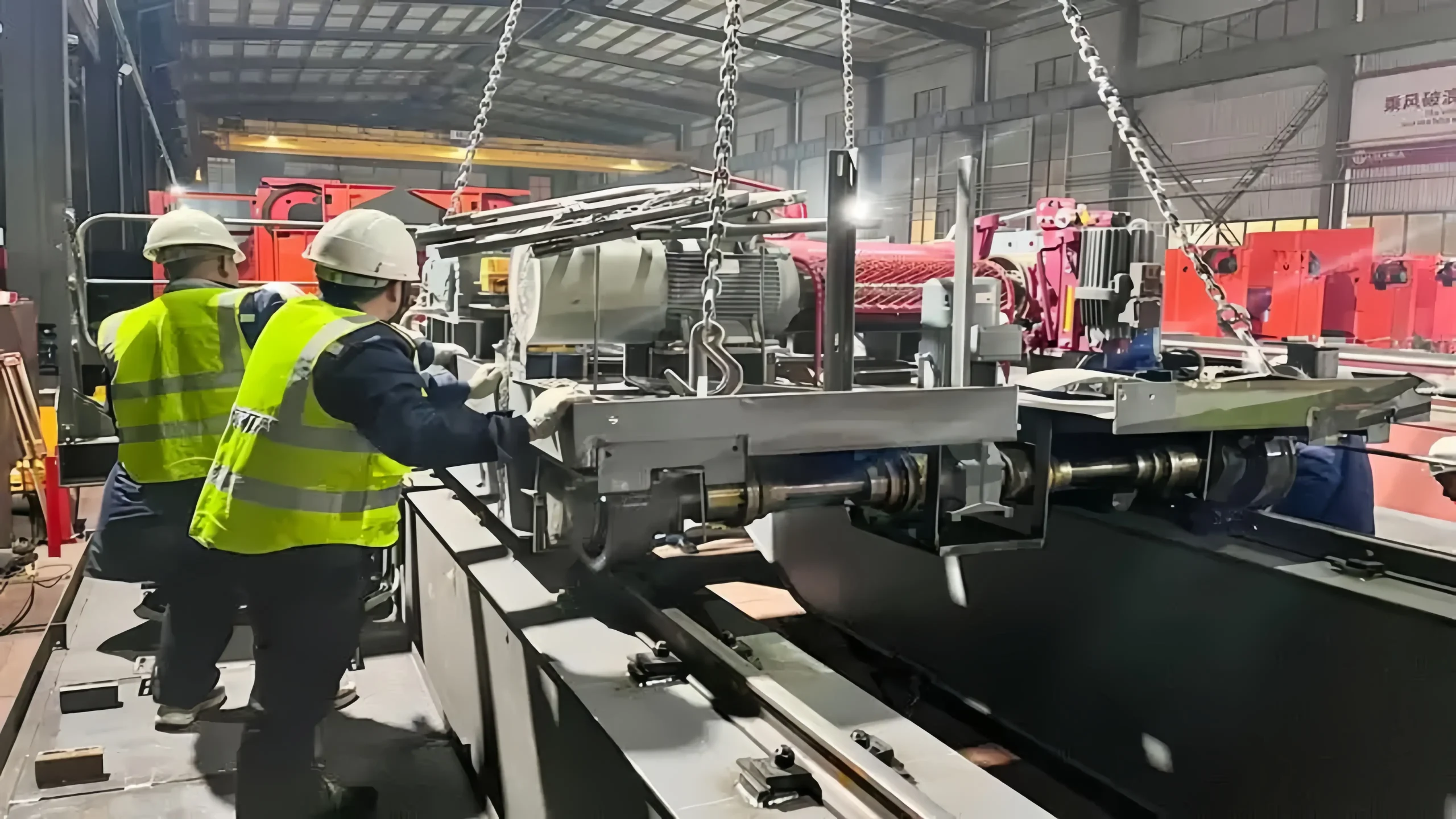
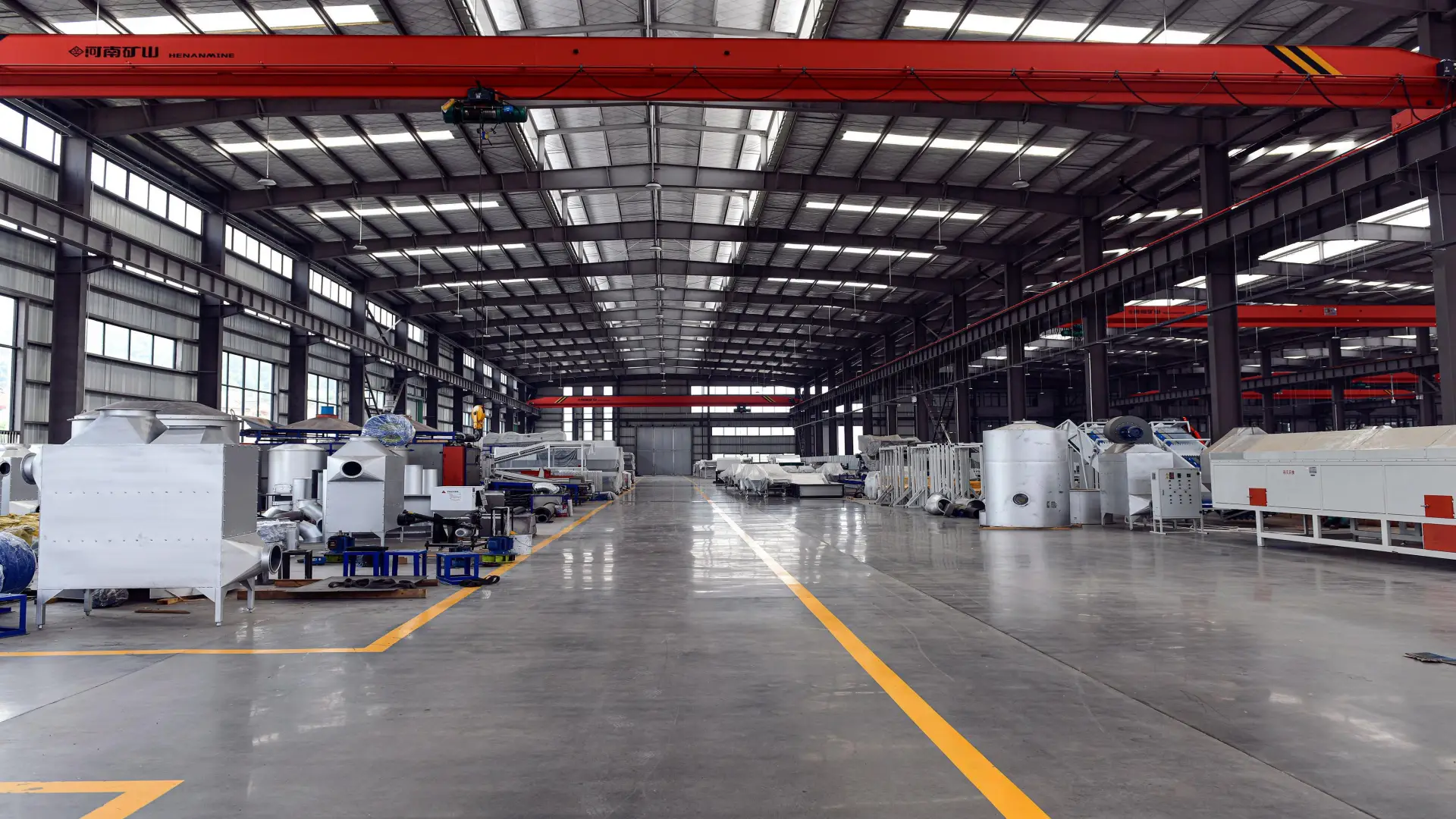
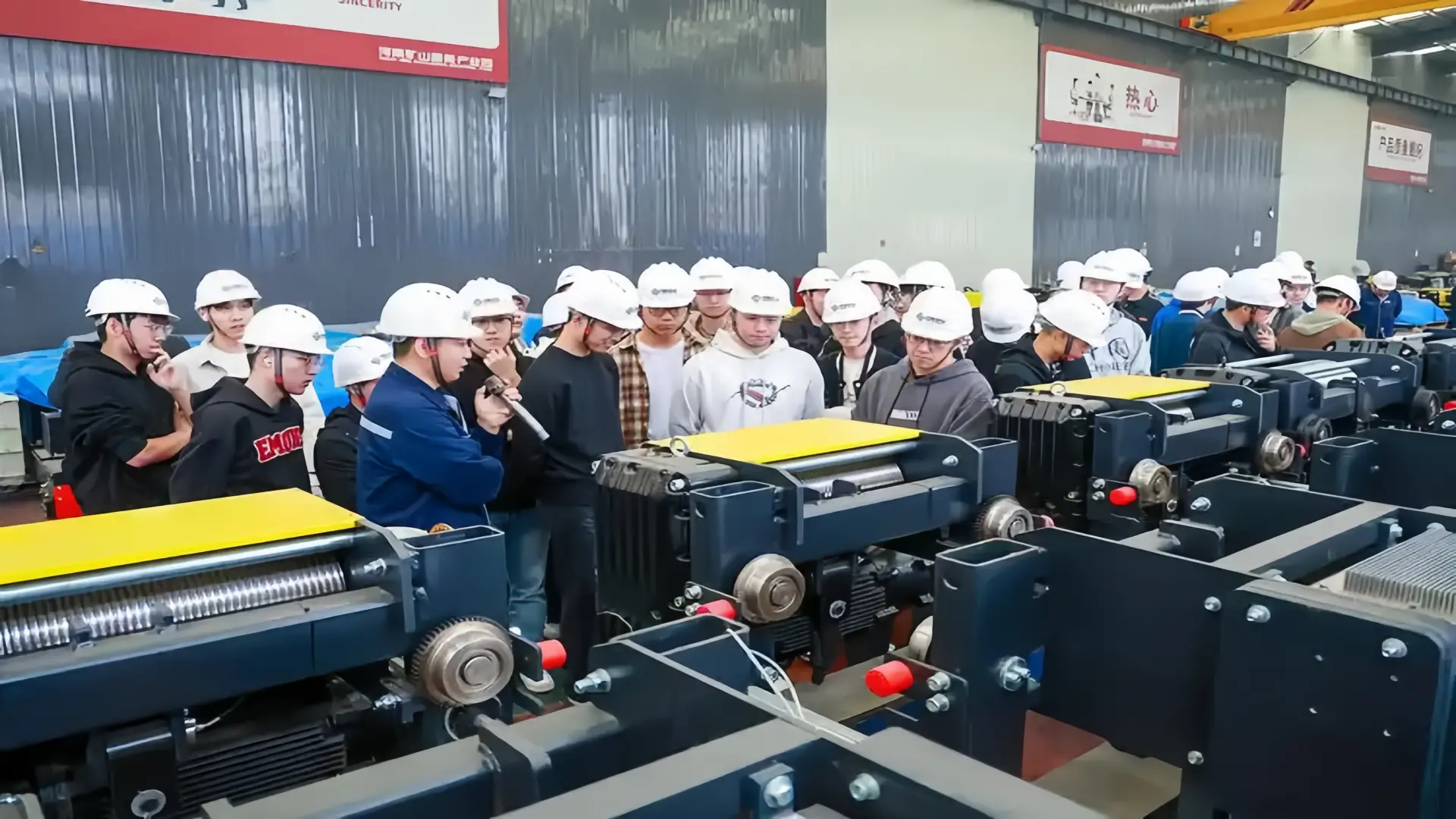
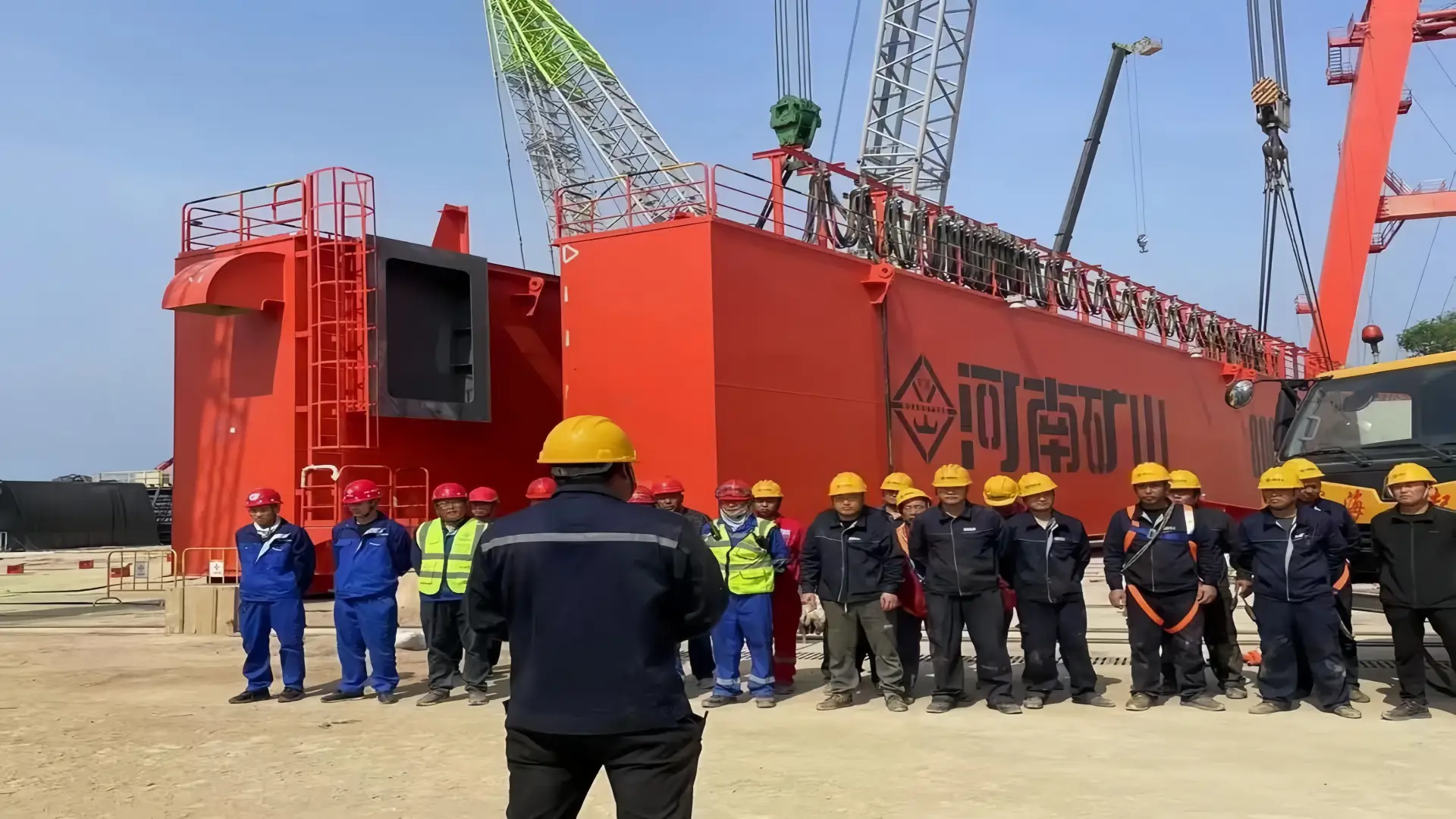
Kuangshan supports hoist selection, technical review, fabrication and project coordination for overhead cranes, gantry cranes, monorails and workstation lifting systems.
Matched to rated load, lifting speed, duty level, structure and working environment.
From standard workshop hoists to low headroom, heavy-duty and explosion-proof models.
Useful for both new crane projects and hoist replacement on existing lifting systems.
Certification support helps reduce technical review and procurement concerns for export buyers.
Support for quotation, drawing communication and matching the hoist to real site conditions.
Ready to move forward? Send us your lifting requirements, installation method and working conditions. We'll help you work out a practical hoist specification for your crane or lifting point.
Your information will only be used for electric hoist solution communication.
These examples reflect common electric hoist use in standard workshop lifting, compact crane layouts, specialized duty and replacement projects.
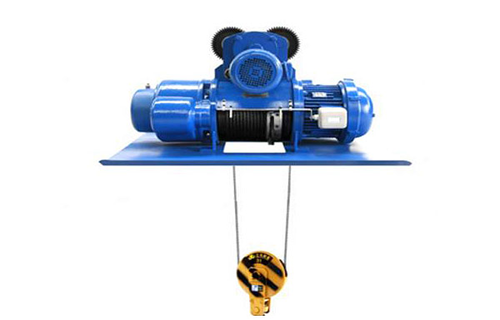
CD/MD wire rope electric hoist selected for regular material lifting on a standard workshop crane system.
European electric hoist used where reduced headroom and a cleaner compact crane arrangement were required.
Low headroom hoist arranged for a building with limited clearance where lifting travel had to be maximized.
Explosion-proof electric hoist specified for an industrial site where electrical safety requirements were critical.
Wire rope hoists are commonly used for higher capacities, longer lifting heights and broader industrial crane applications. Chain hoists are often chosen for compact layouts and lighter to medium-duty lifting.
Low headroom hoists are typically used when building height is limited and you need to gain as much useful lifting height as possible.
Yes. Many projects involve replacing or upgrading the hoist on an existing overhead crane, gantry crane, monorail or jib crane, provided the structure and operating conditions are checked first.
Explosion-proof hoists are used in locations where flammable gas, vapour or combustible dust makes a standard electrical hoist unsuitable.
It helps to send the rated load, lifting height, installation method, power supply, duty level, working environment and any existing crane or site information you already have.
Send us your lifting requirements, installation structure and working conditions. We'll help you sort out a suitable hoist specification.