
Henan Mine LX Underslung Suspended Overhead Crane : Space-Saving Lifting Equipment for Low Headroom Workshop
Suspended overhead cranes are also commonly referred to as suspended traveling cranes or suspended single-girder cranes. The LX series electric single-girder suspended crane is a light-duty indoor lifting equipment launched by Henan Mine. The tracks of suspended traveling cranes are directly fixed under the H-beam and I-beam main girders on the factory roof, with the whole machine suspended and operating in the air. No concrete ground columns are required, which greatly saves floor space in the workshop. Designed specifically for factories with limited space, it serves as the optimal lifting solution for low-rise workshops and workshops with densely arranged equipment.


Structural Principle of Suspension Overhead Crane
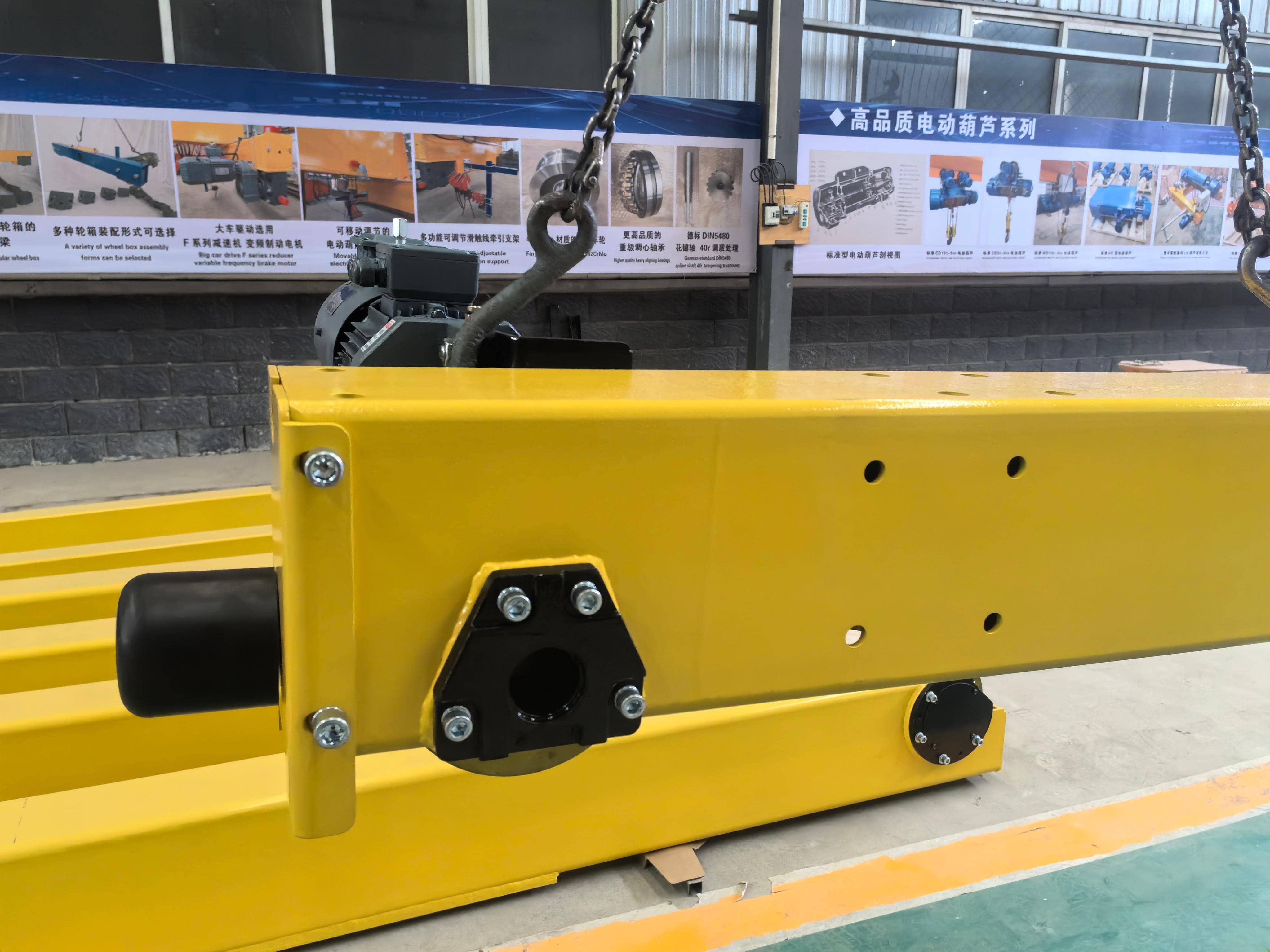
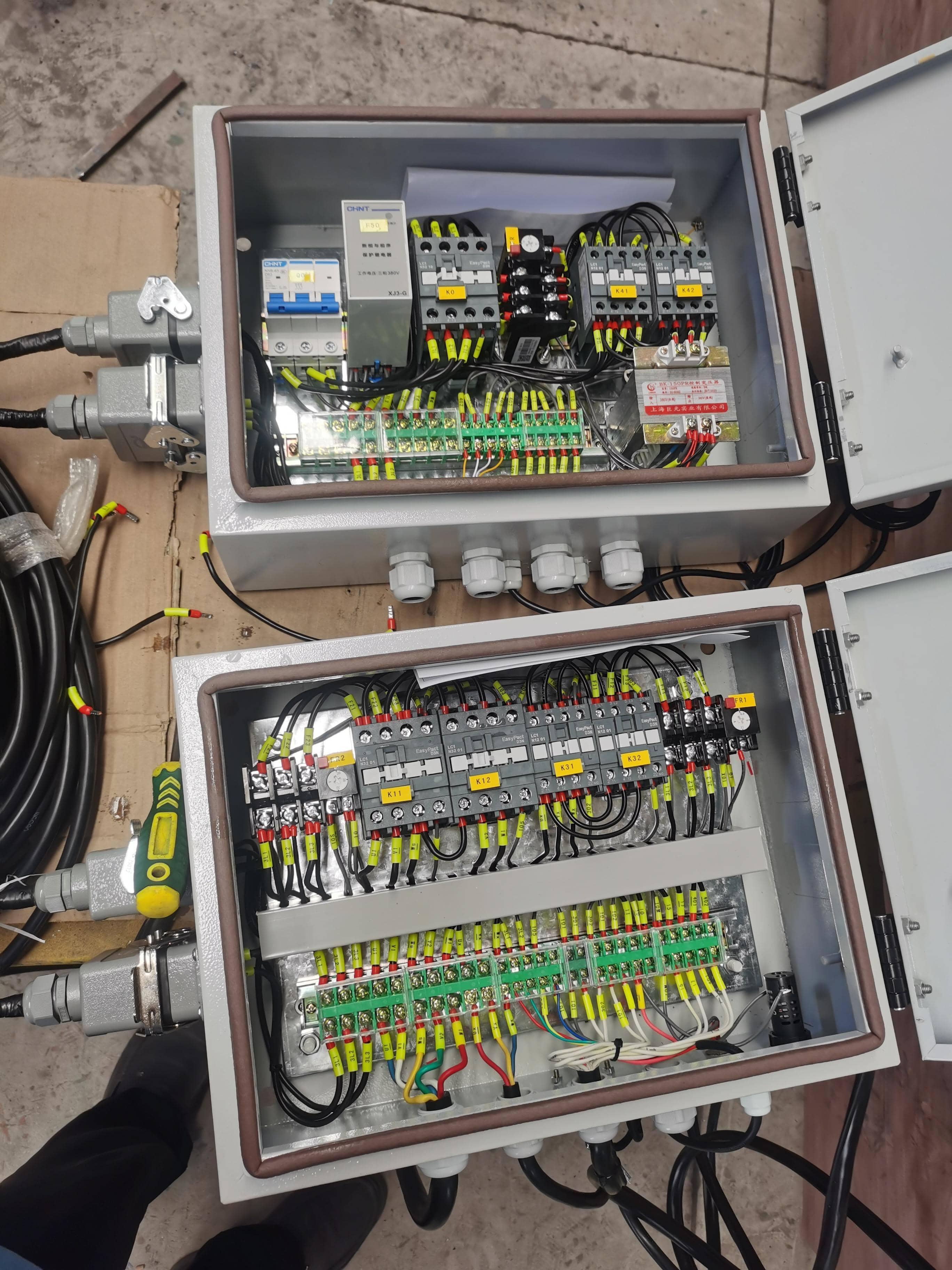
Suspended overhead cranes mainly consist of suspension rails, end beam traveling mechanisms, main girders, electric hoists, electrical control systems and safety protection devices. The whole equipment is suspended upside down on roof H-beam and I-beam rails and travels longitudinally along the workshop, while the electric hoist moves transversely along the main girder to realize all-round fixed-point lifting within the workshop. Its tonnages are mainly 1 ton, 2 tons, 3 tons, 5 tons and 10 tons, which can meet the operation requirements of most light-duty workshops.

Core Advantages of Suspension Overhead Crane
First, it saves floor space. All equipment is suspended overhead without the need for upright support columns. The workshop floor can be fully utilized to place machine tools, production lines and material racks, greatly boosting factory space utilization. This solution is ideal for processing workshops with dense equipment layouts.
Second, it is compatible with factories featuring low headroom. Compared with standard overhead bridge cranes, the suspended structure takes up far less overhead space. Even in low-rise factories with a ceiling height of 4 to 6 meters, it can still deliver sufficient effective lifting height, solving the problem that overhead travelling cranes cannot be installed in low-ceiling workshops.
Disadvantages and Usage Limitations of Overhead Traveling Cranes
Suspended overhead cranes are not suitable for all working scenarios. First of all, their load capacity is limited. Conventional single-girder suspended cranes have a maximum load capacity of 5 tons, while double-girder suspended cranes can reach up to 10 tons. They are not recommended for lifting large-tonnage and heavy materials, and floor-mounted double-girder travelling cranes should be selected instead.
Secondly, they rely on the load-bearing capacity of the factory roof. Suspended travelling cranes cannot be directly installed in old factories, buildings with ordinary concrete roofs, or workshops with rusted and deformed steel beams. Load-bearing verification must be conducted first to eliminate potential safety hazards. In addition, suspended cranes are only applicable to enclosed indoor environments and cannot be used in open-air, rainy, windy or corrosive working conditions.


Scenarios Suitable for Installing Overhead Bridge Cranes
This equipment is widely compatible with various light industrial scenarios: machining workshops, hardware assembly workshops, mold workshops, electronic dust-free workshops, small storage warehouses, and equipment-intensive factories. It is particularly suitable for renovated old factories where ground piling is not feasible, floor height is insufficient, or space is limited, serving as a cost-effective solution for lightweight lifting equipment upgrades in workshops.
Prerequisites for Installation and Selection Parameters
If the workshop intends to install an overhead travelling crane, several basic conditions must be met: no deformation or corrosion on roof steel beams with standard load-bearing capacity; sufficient installation space at the top; stable power supply for the factory building; and no overhead obstructions in the operation area.
When selecting a model, users need to confirm the core parameters: lifting tonnage, workshop span, total track length, actual lifting height, specifications of roof steel beams, control mode (wired pendant / wireless remote control), and daily usage frequency. Providing accurate parameters enables matching with the most suitable equipment and avoids tonnage waste or insufficient load capacity.
Daily Maintenance and Common Troubleshooting
Key inspection items for routine maintenance: Check whether suspension bolts and lifting lugs are loose, whether the track has dust accumulation or deformation, the wear and wire breakage condition of steel wire ropes, and whether limiters, buffers and braking systems are sensitive. Regularly inject lubricating oil into traveling wheels and transmission gears to ensure smooth equipment operation.
Common faults include traveling jamming, slight shaking and insensitive remote control, which are mostly caused by debris on the track, loose bolts and poor circuit contact. Regular patrol inspections can effectively prevent malfunctions and extend the service life of the equipment.
Frequently Asked FAQs
Can overhead travelling cranes be installed in old factory buildings?
Professional personnel must check and calculate the roof load-bearing capacity, and installation can only be carried out if the standard is met. Installation is strictly prohibited if the load-bearing capacity is insufficient.
Can overhead cranes be installed on concrete roofs?
Direct installation is not allowed, and professional steel load-bearing main beams are mandatory.
Does it support wireless remote control operation?
Yes, a wireless remote control is optional for more flexible and convenient operation.
What is the service life of the equipment?
With standard maintenance, the complete machine can be used for 10 to 20 years.
Can this suspended crane work outdoors?
Absolutely not. It is specially designed for indoor closed workshops only, unsuitable for open-air rainy, windy or corrosive environments.
6.What export certifications are available?
We can provide export certifications such as CE and ISO to meet the requirements of overseas markets.
